




Choose what the next crew needs to find
A valve needs a point reference. A pipe run needs a path. Match the marker format to the work below ground.
Mark buried services for a clearer return visit.
Once the trench is closed, finding a buried valve, cable joint or plastic pipe takes more than a good memory. 3M™ Electronic Marker System (EMS) markers leave a detectable reference for the next crew, helping them return to the right point or follow the marked route.
A compatible locator sends a signal to the buried marker and detects its response. The markers need no batteries or external power supply.
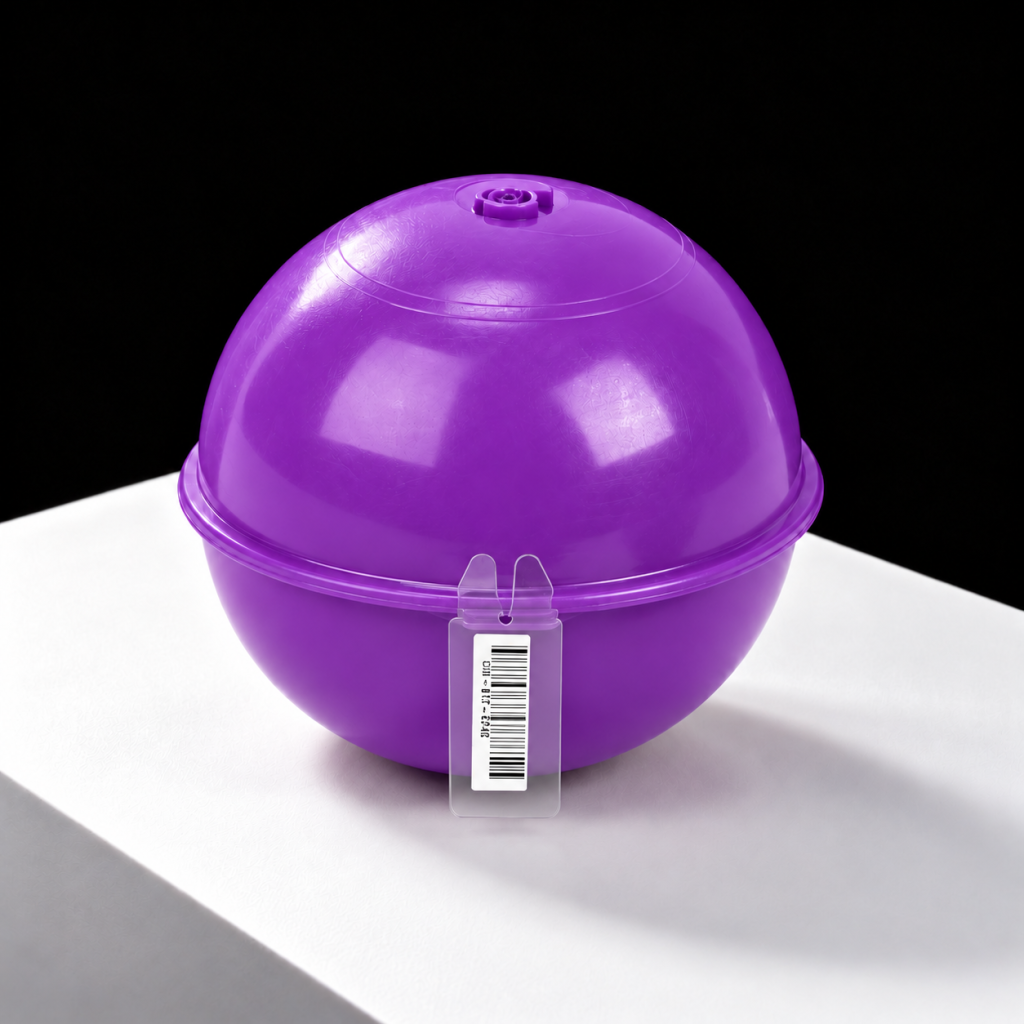
Programmable marker ball for finding and identifying buried recycled water pipes.
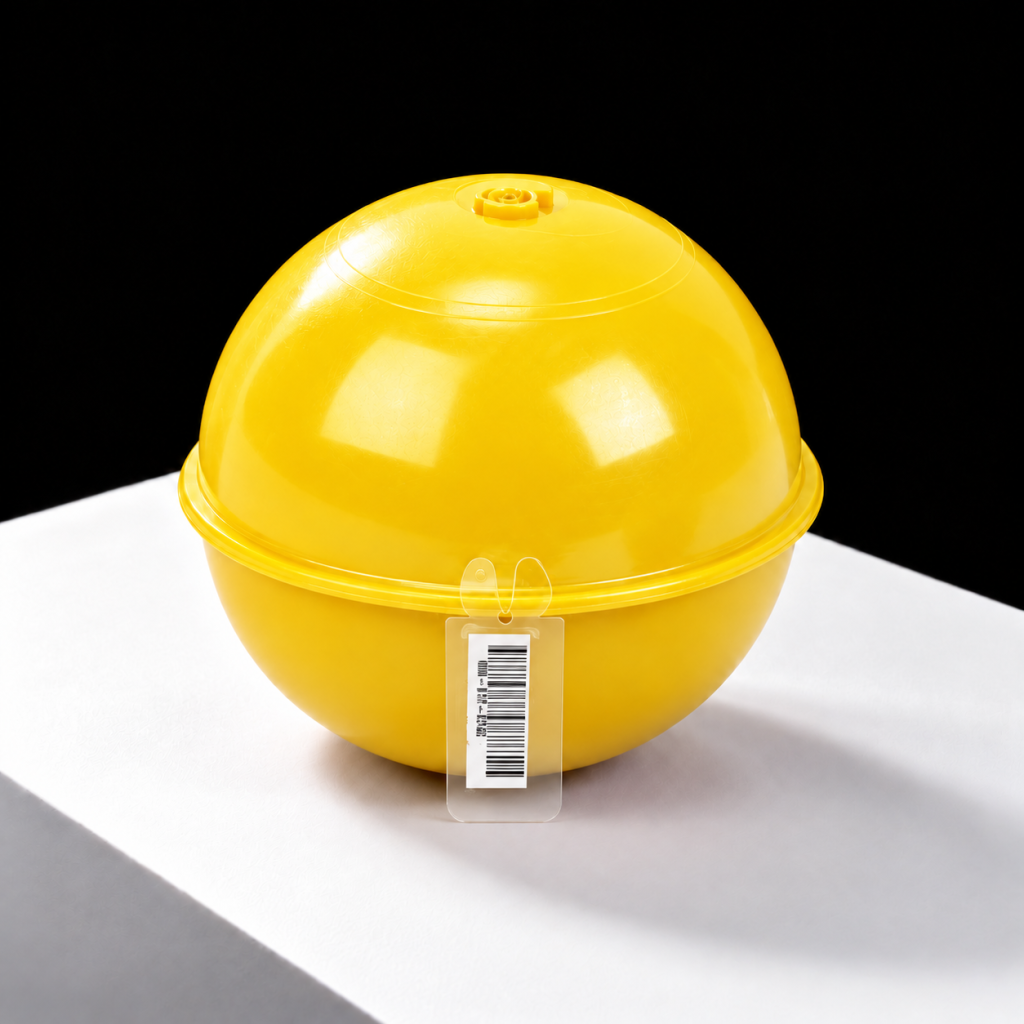
Programmable marker ball for finding and identifying buried gas pipes.

Programmable marker ball for finding and identifying buried sewer pipes.
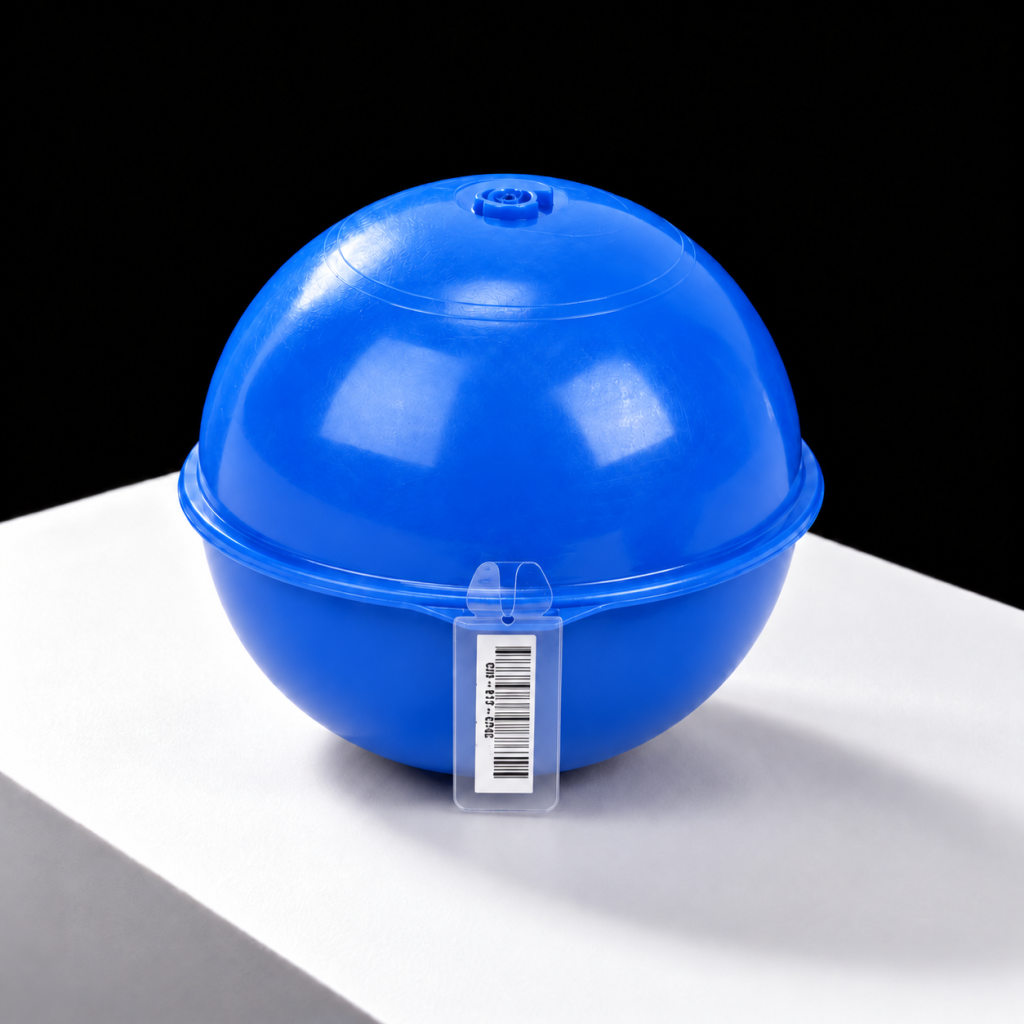
Programmable marker ball for finding and identifying buried water pipes.
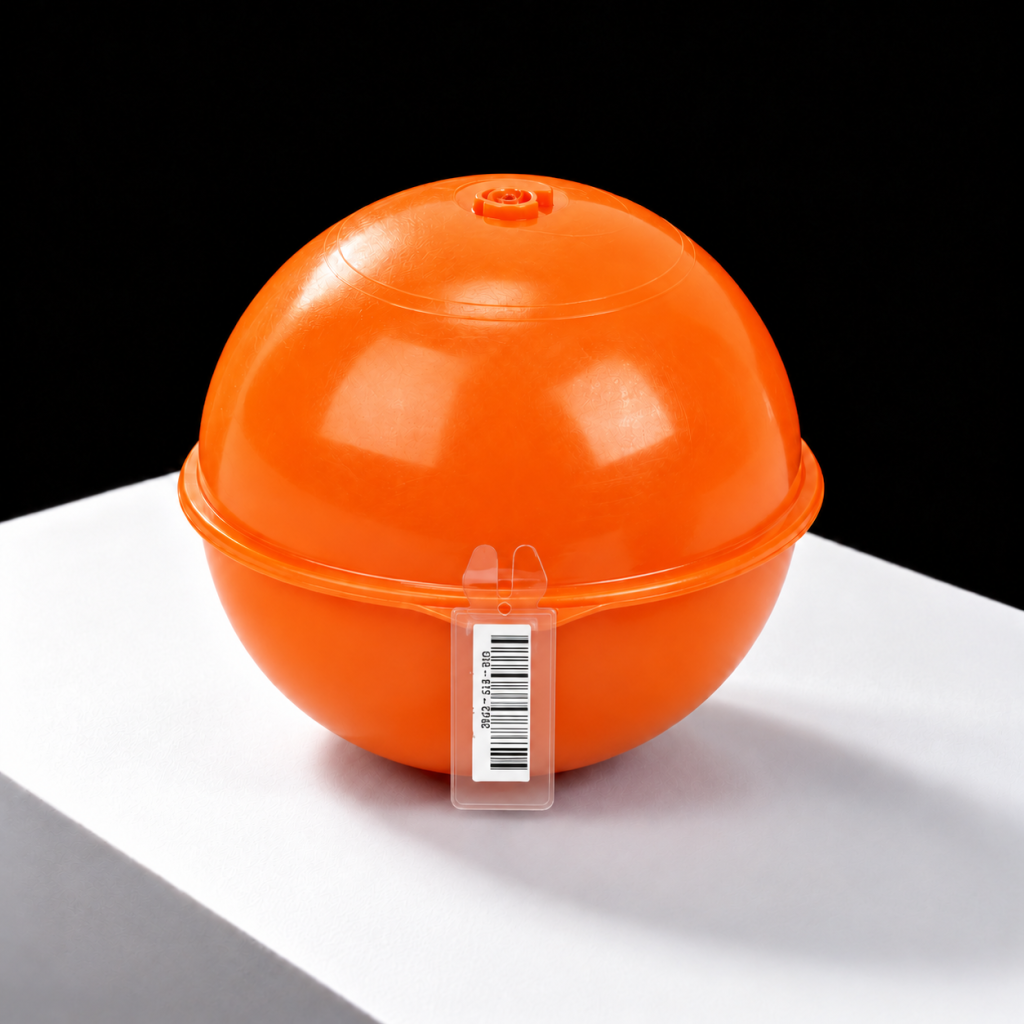
Programmable marker ball for finding and identifying buried communications cables and ducts.

Programmable marker ball for finding and identifying buried buried power cables.

Self-levelling marker ball for marking key points along buried recycled water pipes.

Self-levelling marker ball for marking key points along buried gas pipes.
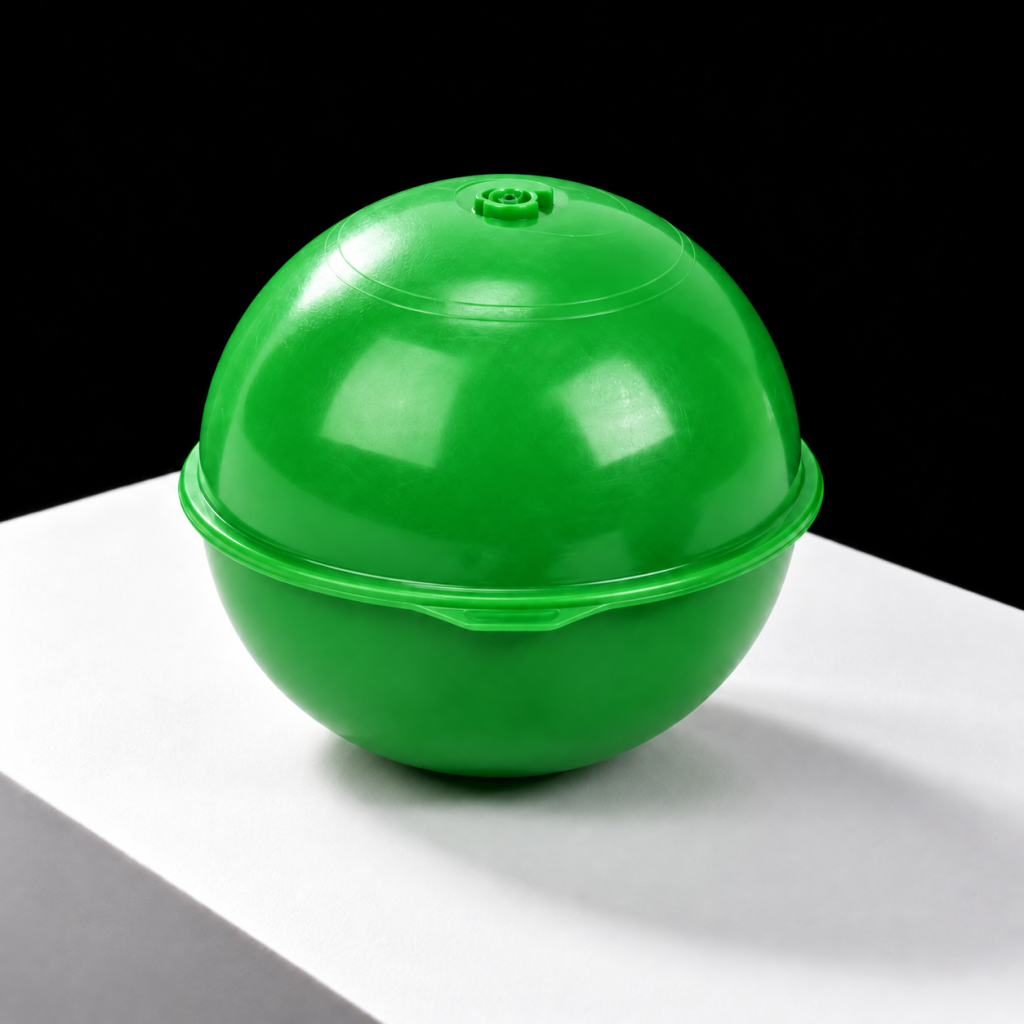
Self-levelling marker ball for marking key points along buried sewer pipes.

Self-levelling marker ball for marking key points along buried water pipes.

Self-levelling marker ball for marking key points along buried buried power cables.

Self-levelling marker ball for marking key points along buried communications cables and ducts.
A valve needs a point reference. A pipe run needs a path. Match the marker format to the work below ground.

Passive markers help locate the point. Programmable iD markers also carry asset details for the crew returning to it.

Check the distance from marker to locator, then the locator’s capabilities. A detection range and a data-reading range are different specifications.