



Telecommunication networks trust Tapex Industrial’s Dig Safe® range to help protect and install their fibre.
Projects specified
300+
Trusted by





Supporting telcos since
1981
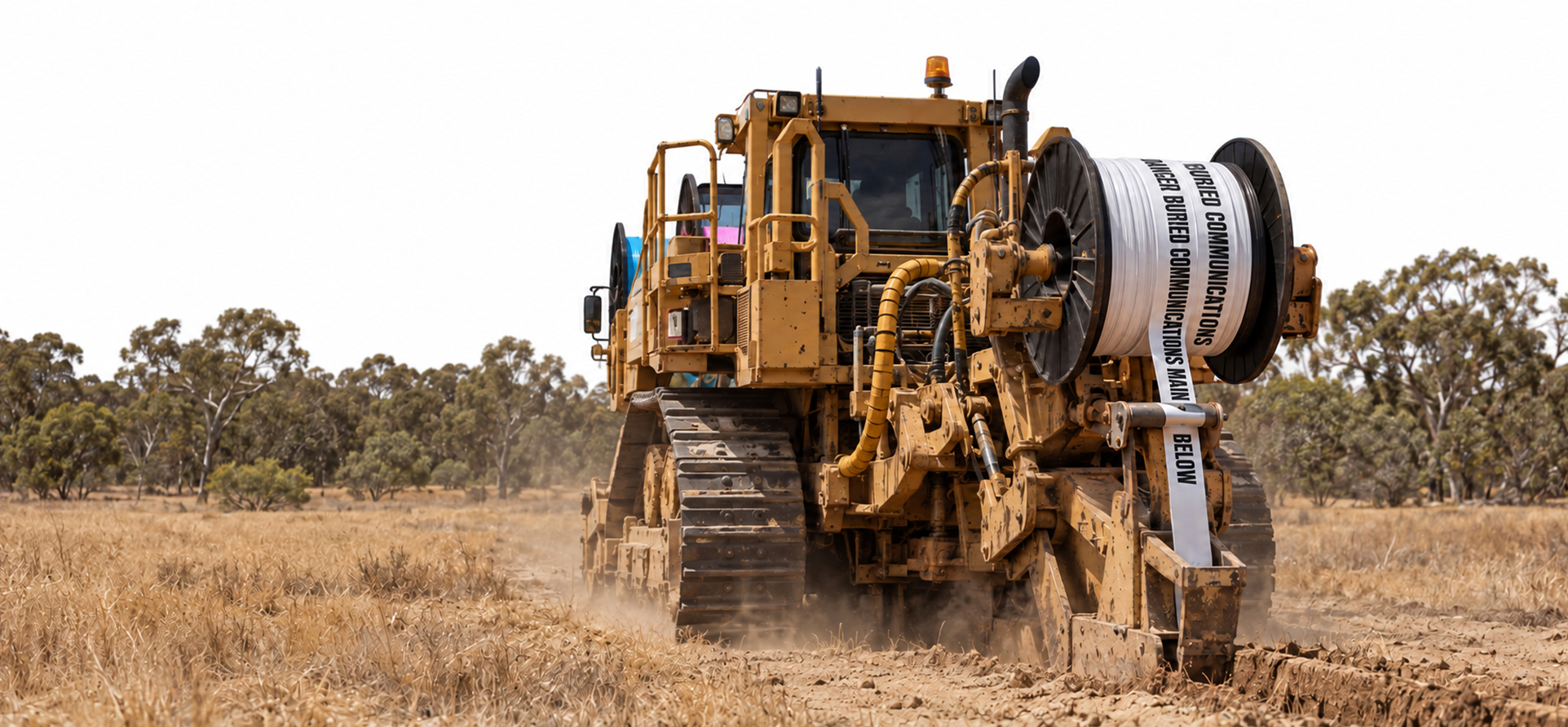
A buried fibre route has several jobs ahead: carry today’s service, remain findable and make room for tomorrow’s cable. Dig Safe® brings warning, tracing, electronic marking, duct management and physical protection together, so you can match each layer to the route. Product data, installation guidance and Tapex support help carry those choices from the specification to the crew on site.
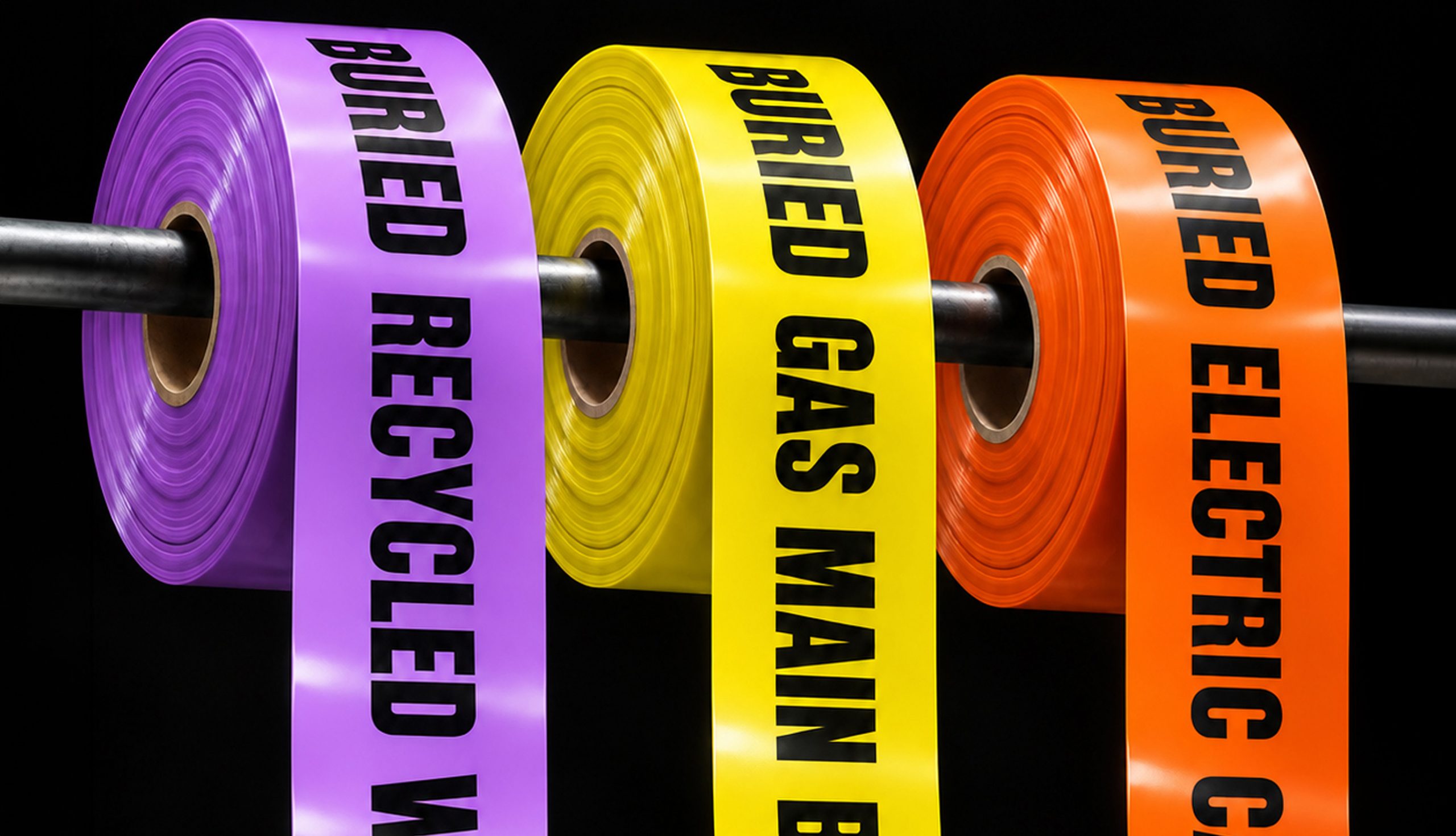
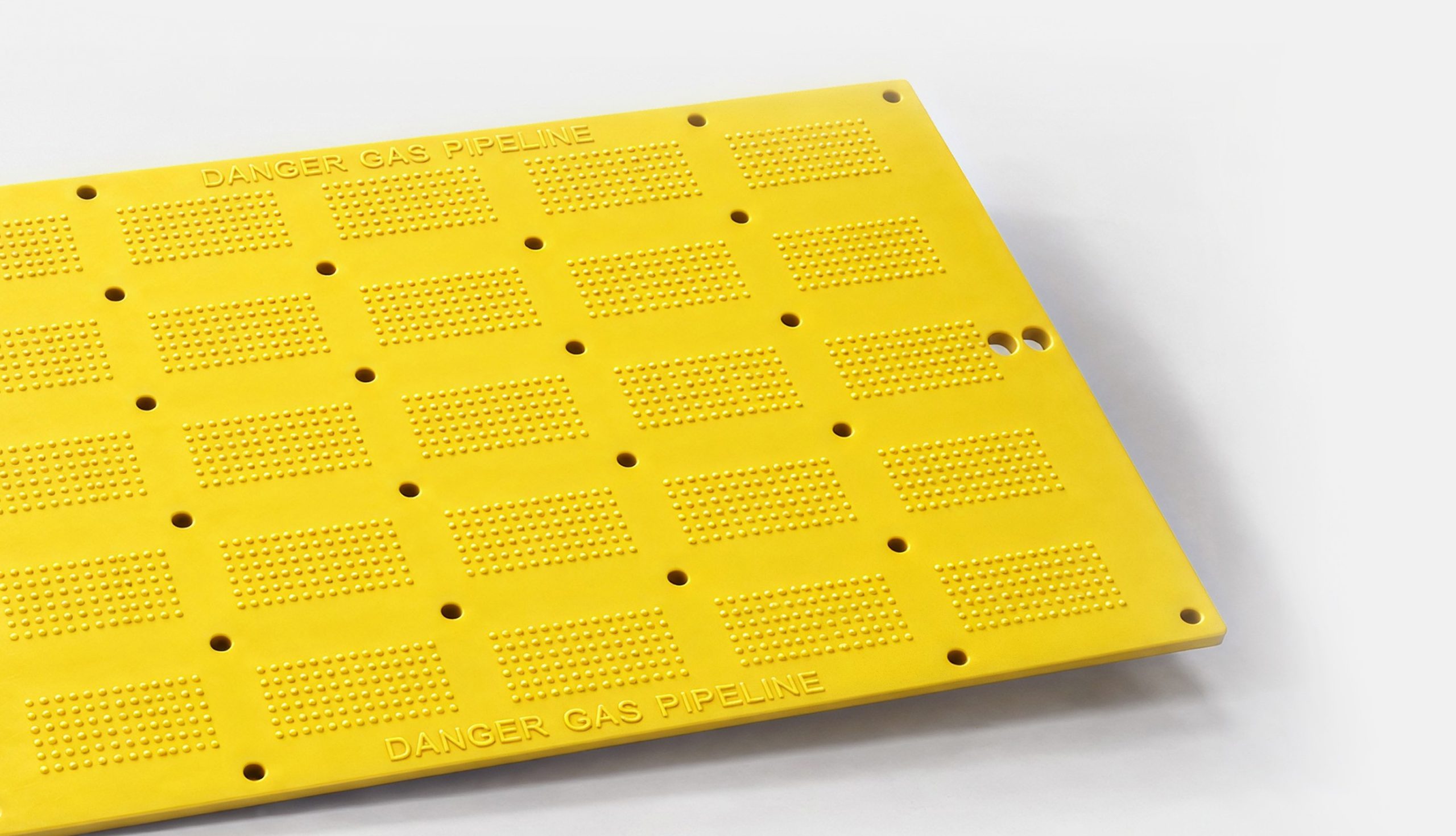


Put the next locate into today’s specification.
Start with the fibre route, installation method and network requirements. Tapex Industrial helps engineers and network owners move beyond general product claims. Technical information, drawings, installation requirements and specialist input provide a clearer basis for assessing options, documenting the selected approach and progressing it through technical review.
From the drawing to the delivery.
Once the approach is selected, Tapex supports contractors with product guidance, project pricing, availability, delivery planning and installation information. Distribution across Australia helps reduce the gap between what was specified and what can practically be supplied to the project.

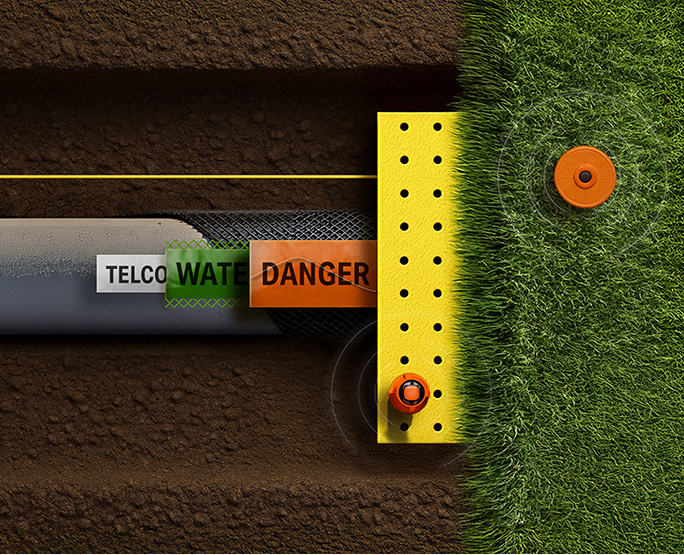
Every layer of fibre network protection in one range.
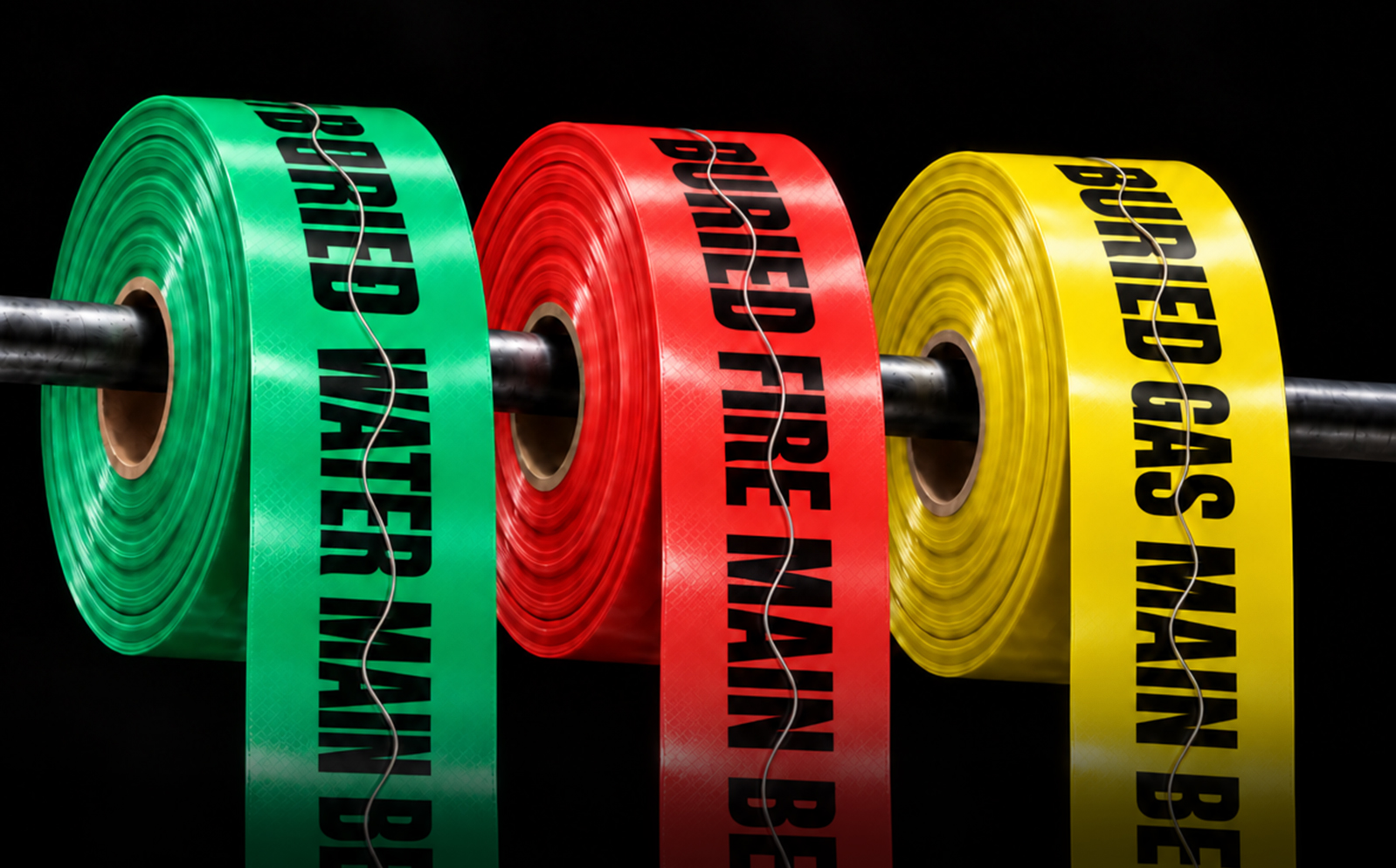
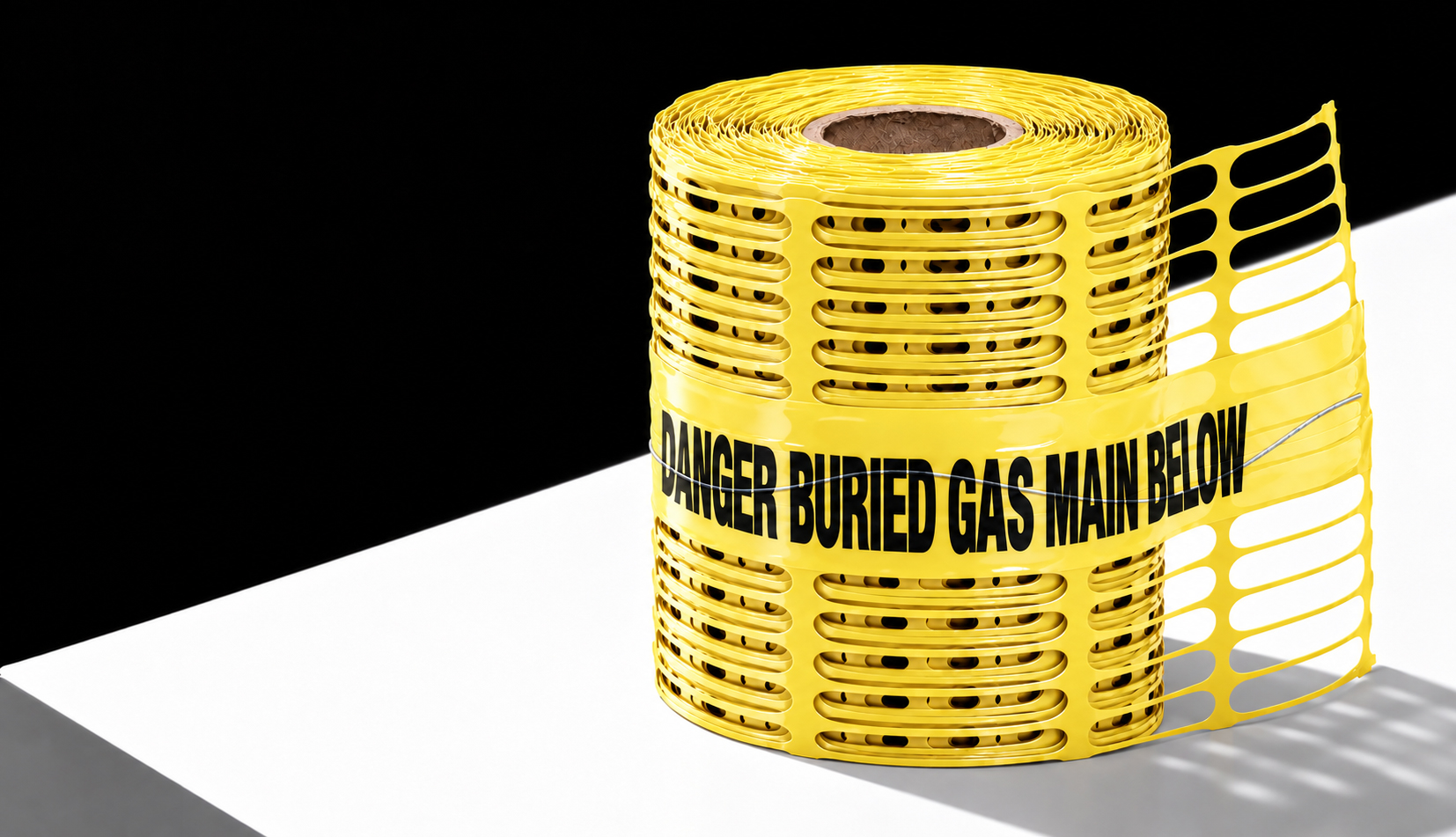
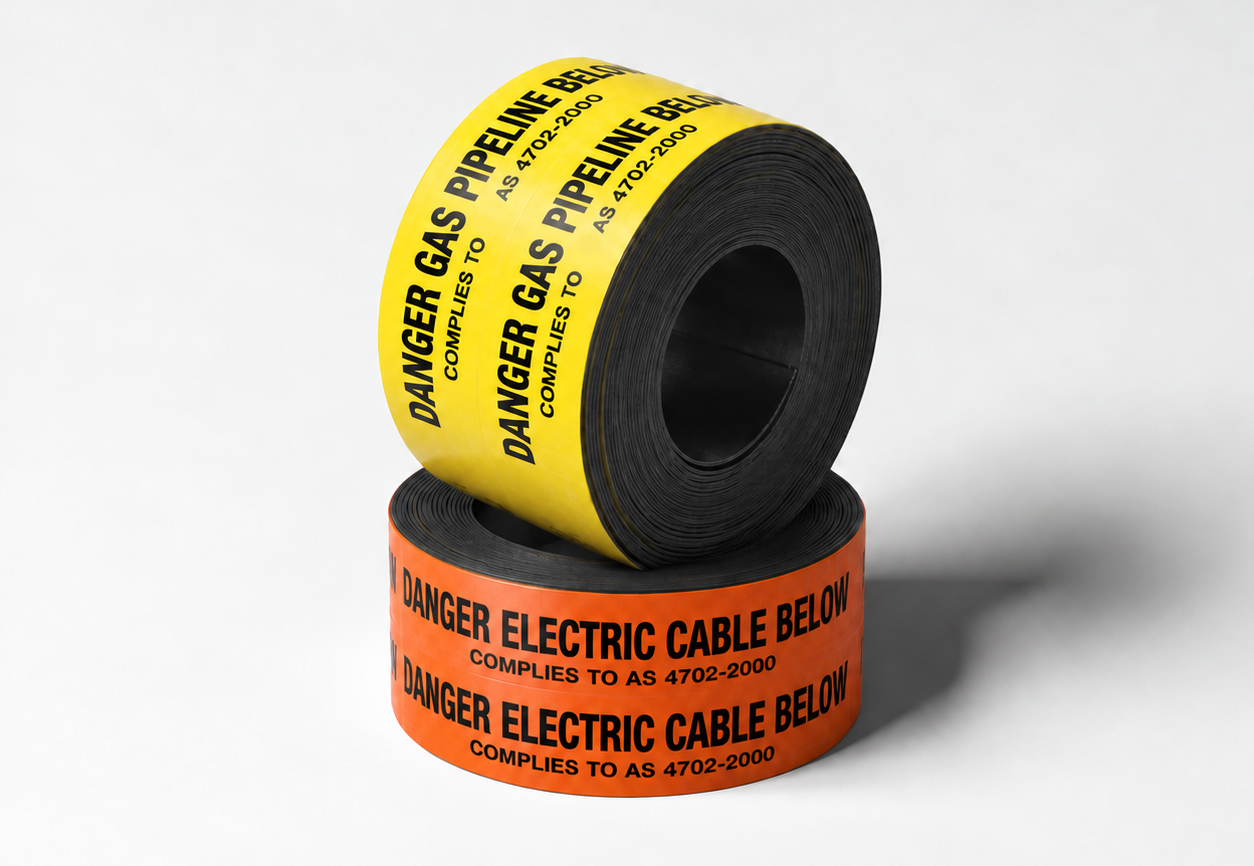
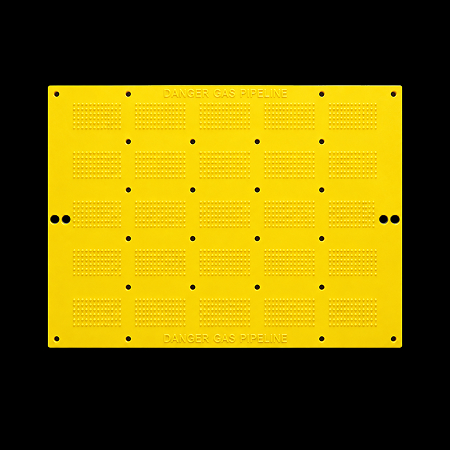
Warning tape alerts the next crew. Tracing and electronic markers help them find the route and its key points. Innerduct and seals keep cable pathways organised, while selected plates add a physical barrier. Choose the layers the site needs, with the network owner’s requirements guiding the combination.
Browse the Dig Safe® range


Questions?
Answered.
All-dielectric fibre and plastic ducts need a separate target for electromagnetic locating. WAVELAY® and ProTrace® Communications tape adds a stainless-steel and copper trace above the service; Copperhead® tracer wire provides a conductor for suitable trench and directional-drilling installations. Design the joints, grounding and connection points as one circuit, then verify it at handover. The fibre carries the data. The conductor gives crews a route to follow.
Telecom route markers help crews follow the buried path; point markers identify a duct end, bend or other location they need to return to. 3M™ EMS path-marking tape and rope use markers along the route. EMS marker balls identify individual points, while programmable iD models can also store asset details. Match the communications frequency and locator to the selected product, then record the installation.
Flexible innerduct can create separate cable pathways within an existing duct, helping make use of the space around installed cables. OptiCell™ fabric innerduct conforms around cables rather than dividing the bore into rigid tubes. Check the actual duct bore, cable diameters, existing occupancy and pull route before selecting the layout. Make room for the next fibre, with capacity based on the drawing rather than a blanket multiplier.
Seal spare telecommunications ducts with a blank duct plug sized to the actual internal bore. Cal Am plugs use a compression gasket to help keep water and sediment out; a rope tie keeps the pull rope ready for retrieval. Check the plug’s expansion range and follow the installation guide. For occupied ducts, select a suitable cable-entry seal. Keep the empty duct ready for its next cable.
A buried fibre-route specification should show how crews will find the route, identify key points and access spare duct space. Include warning and locating products, duct and cable dimensions, seals, any physical protection, installation details and network acceptance requirements. Define locating checks and records for handover. Give today’s installer a clear drawing, and tomorrow’s maintenance crew a route they can return to.

 Download the Dig Safe® engineers Spec Kit
The Dig Safe® range is asset protection you can specify with confidence. We’ve brought the technical data, drawings and installation guidance together in one downloadable pack.
Get the detail you need to specify with certainty.