


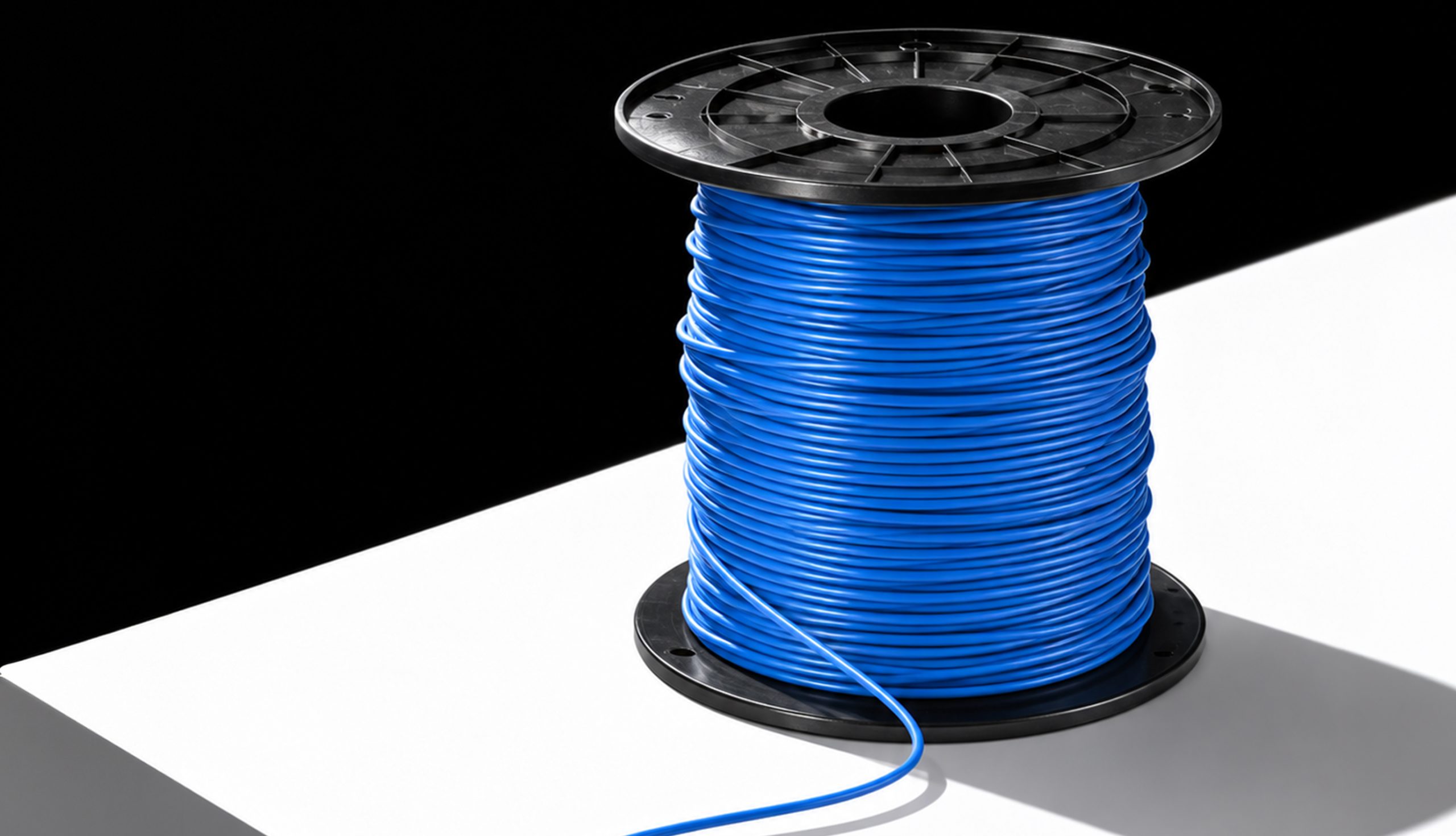

Choose wire for the way you install
An open trench, a bore and a pipe burst put different demands on the wire. Start with the installation method.
Lay the line. Leave it ready to locate.
Once the trench closes, the pipe still needs to be found. Copperhead® tracer wire, connectors, ground rods and access pits work together to give locating crews a superior signal path to follow along buried non-metal pipes and conduits.
Nickel-plated copper tracer wire for 1.5× detection depth and 2× signal clarity.
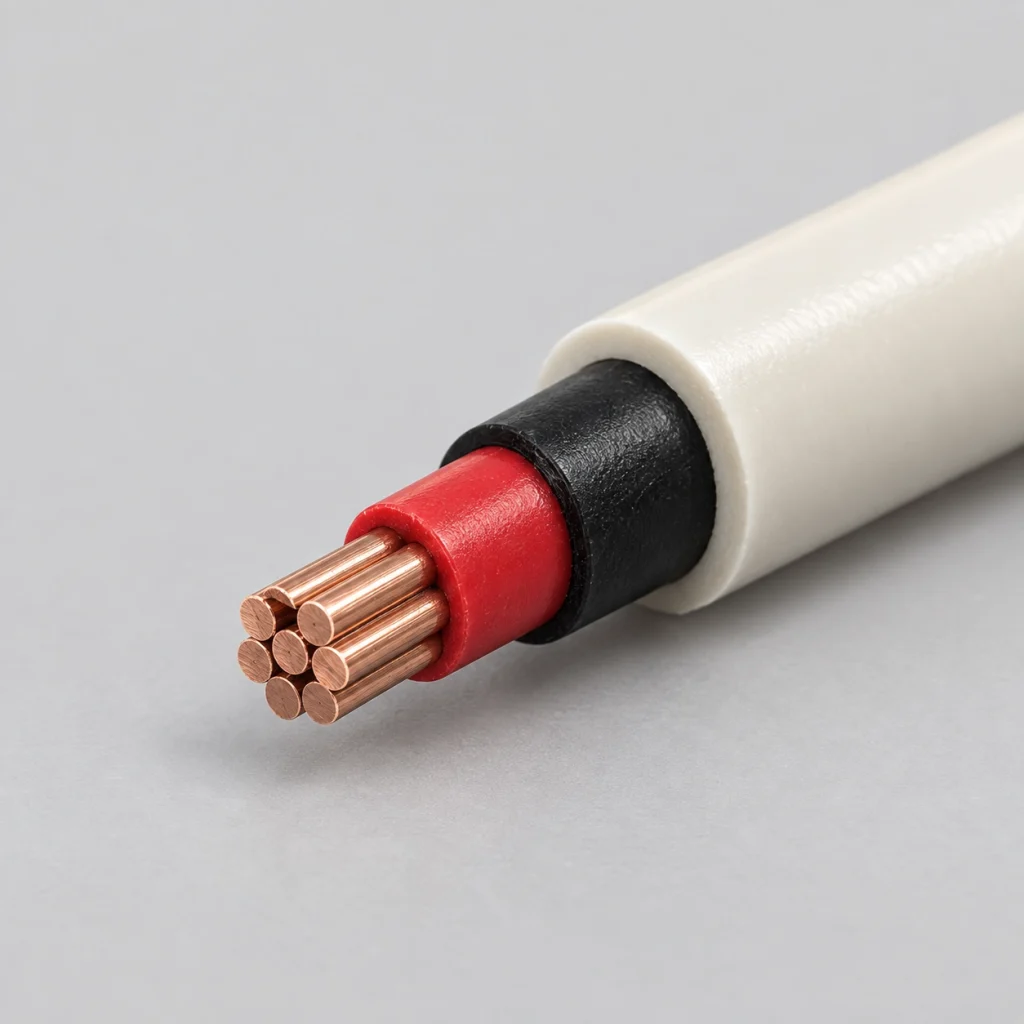
Termite-resistant copper tracer wire for buried non-metallic pipes.
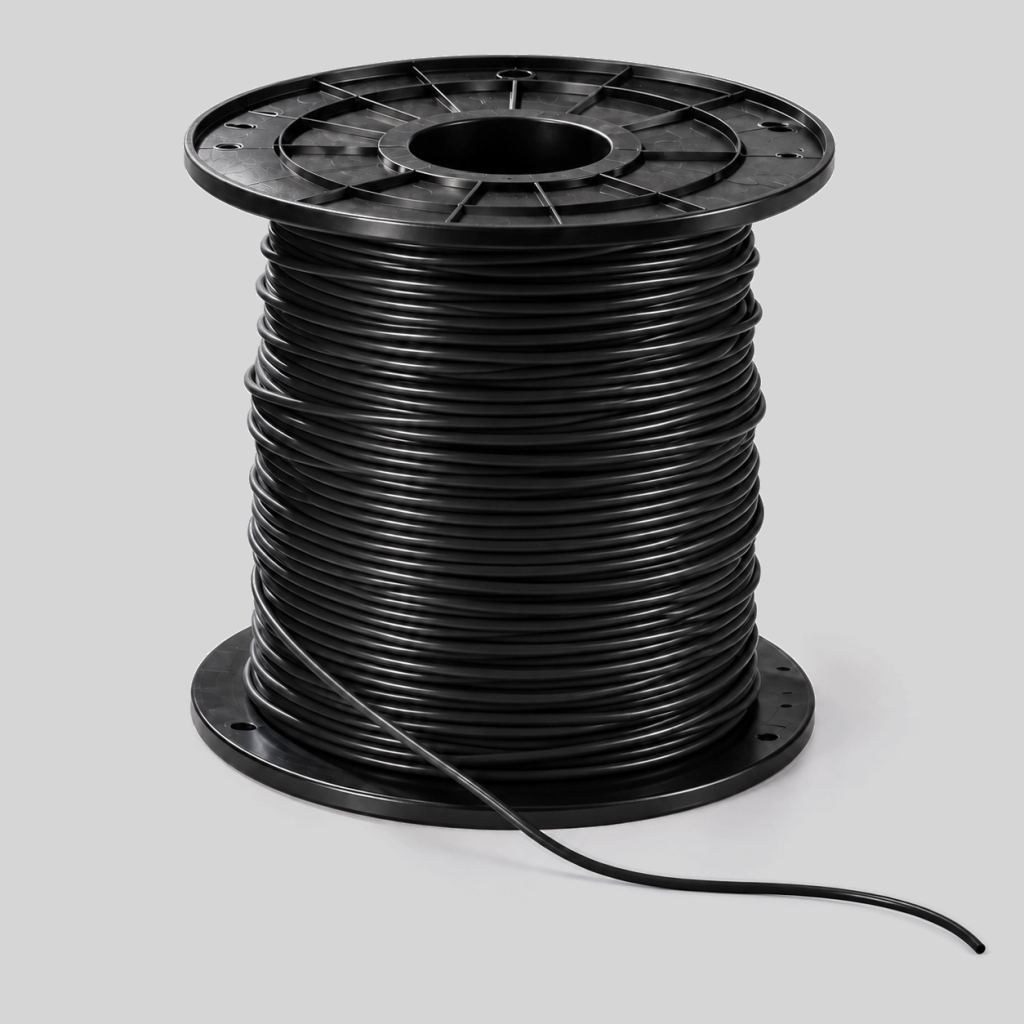
Stranded copper-clad steel tracer wire for pipe bursting and critical bores.
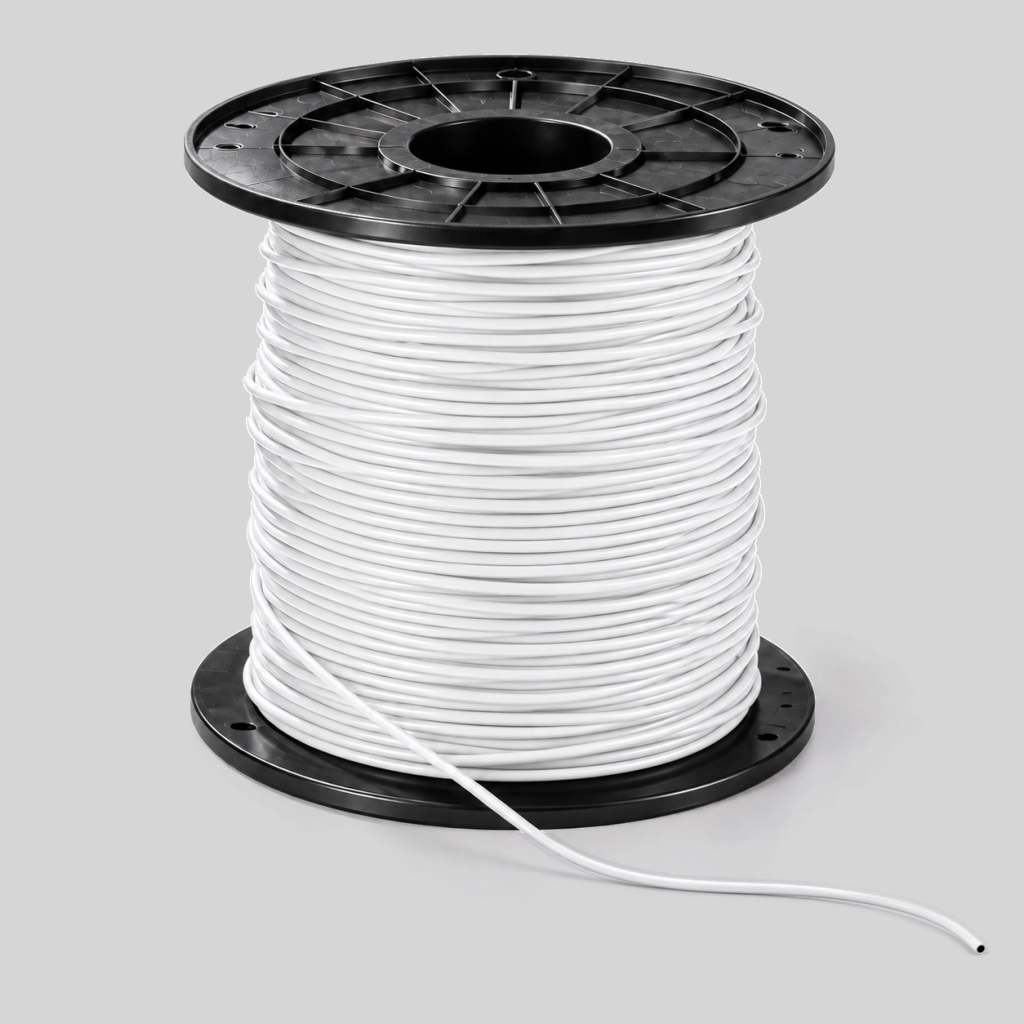
Extra-high-strength copper-clad steel tracer wire for directional drilling.
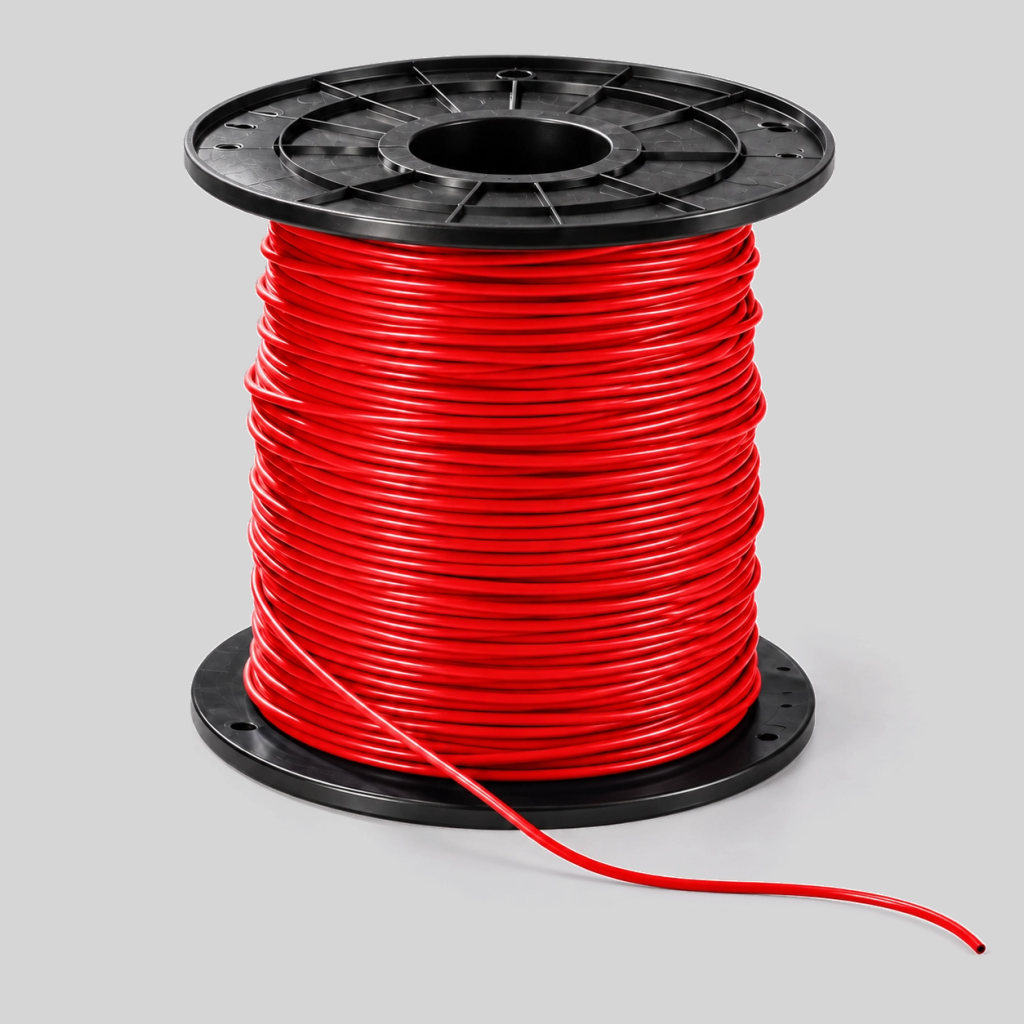
Strong, flexible copper-clad steel tracer wire for open-cut installations.
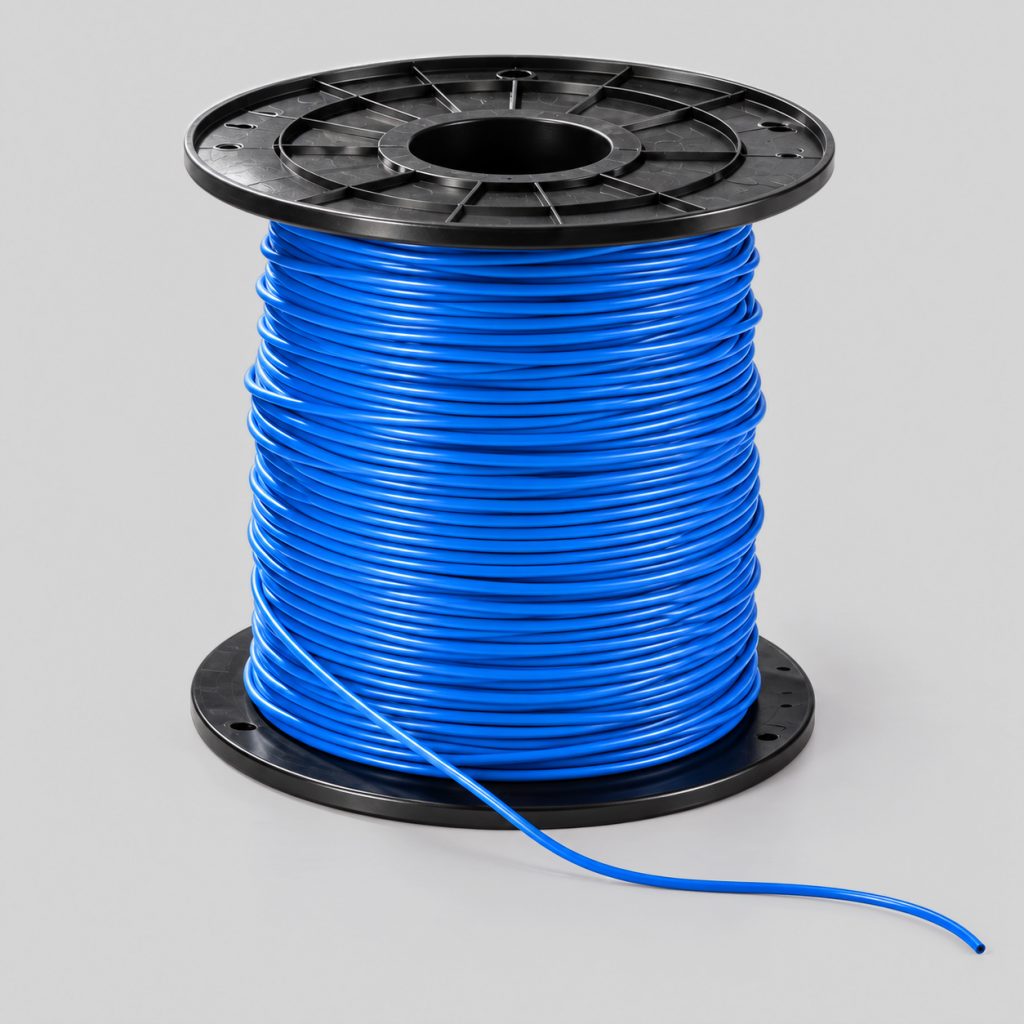
Flexible copper-clad steel tracer wire for light-duty open-cut work.
An open trench, a bore and a pipe burst put different demands on the wire. Start with the installation method.

Straight splice or service branch? Match the connector to the wire size, construction and number of conductors.

Give the locating crew a place to connect and a grounded circuit to trace. Match the pit base to the surface and the lid to the connections.