How to specify asset plate protection

  • Choose by protection evidence

    The test behind the plate matters. Match the evidence to the asset owner’s requirements.

  • Choose by coverage and joints

    Cover the asset. Connect the run. Choose width and joints from the protection detail.

  • Choose for life below ground

    Plan for drainage, inspection and the option to trace the plates after the trench is closed.

Choose by protection evidence

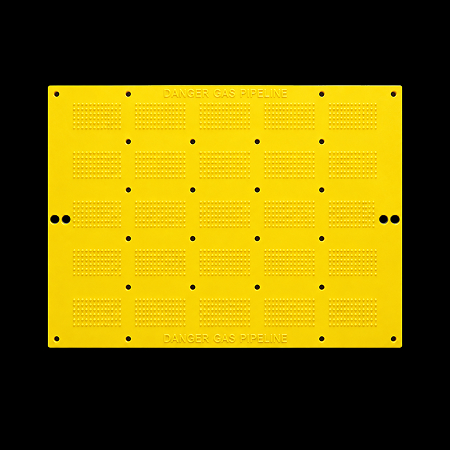
Overpipe® resists full penetration by a 32-tonne excavator bucket and a truck-mounted powerpole auger. It conforms with AS 2885.1:2018 requirements for physical penetration control.

Ask for the test report, the applicable plate model and the asset owner’s acceptance criteria before you specify.

Overpipe® is backed by a 50-year warranty.

Choose by coverage and joints

Start with the asset width and the side coverage required by the approved design. Then check plate length, connection method and how the run follows bends and changes in terrain.

OV5 measures 570 × 1500 mm and weighs 12 kg. OV6 measures 820 × 1500 mm and weighs 18.5 kg. Wider options include OV1 at 1250 × 2000 mm and 34 kg, and OV3 at 1500 × 2000 mm and 41 kg. All are 15 mm thick.

Use the model weight to plan handling. Confirm the current dimensions and connector arrangement before ordering.

Choose for life below ground

For steel gas pipelines, Overpipe®’s moulded holes allow drainage without disrupting cathodic protection measurements. The plates can be removed to reach the pipe, then re-laid.

Full-body colour and an embossed warning identify the service when it’s exposed. Specify the asset owner’s colour and message.

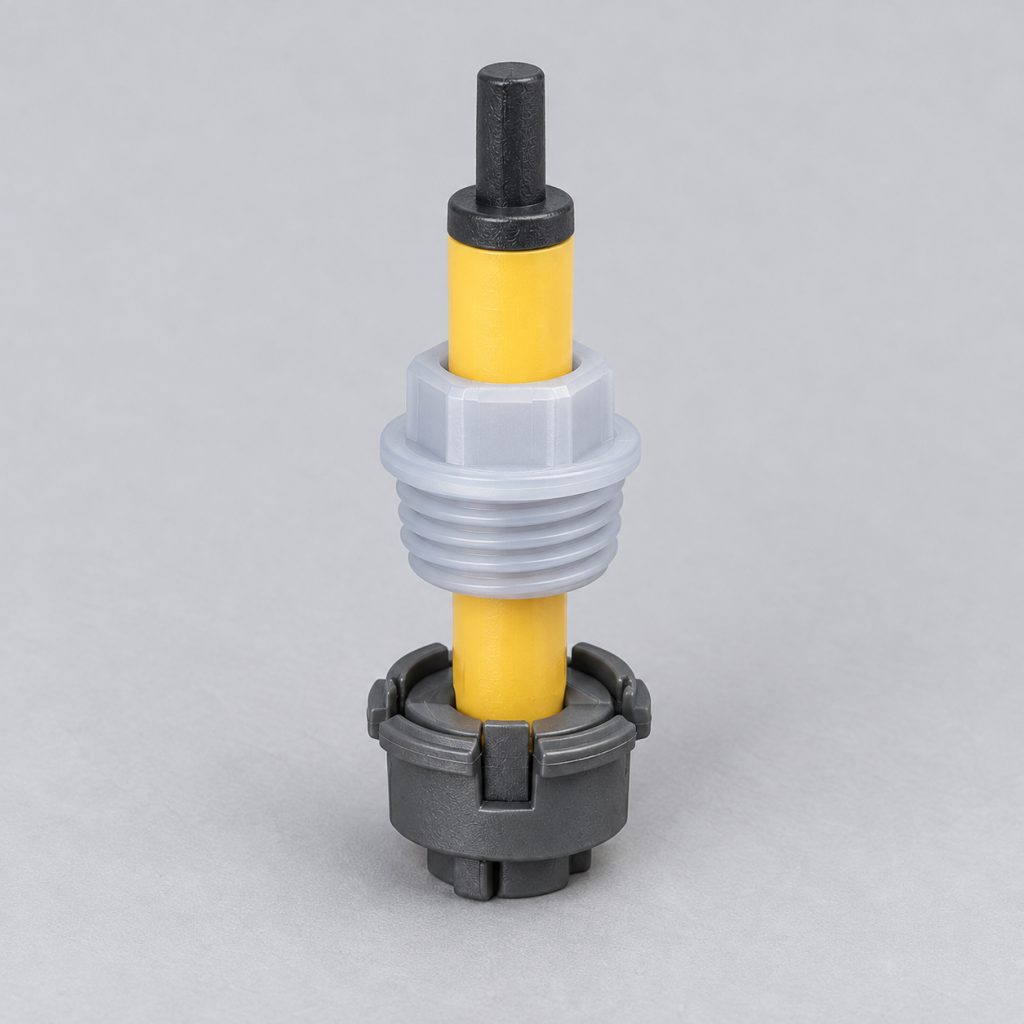
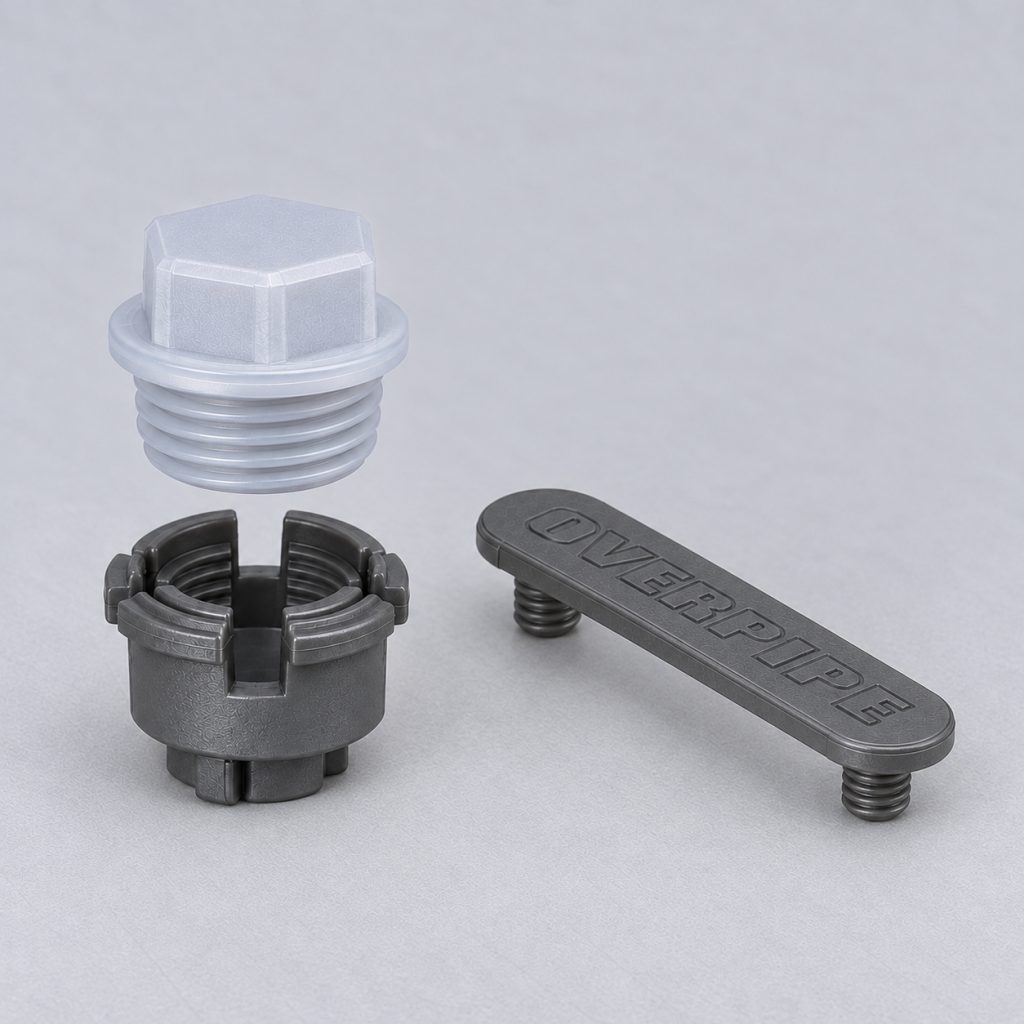
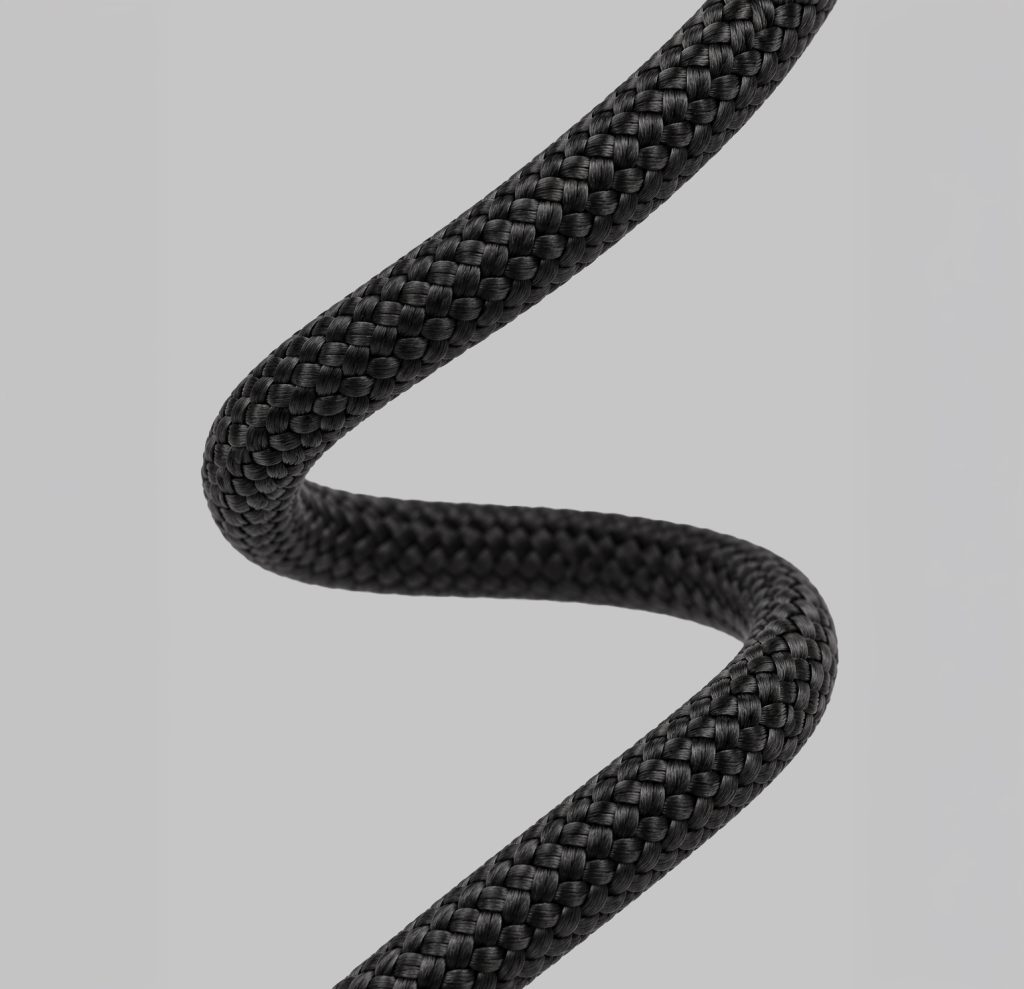
Need to trace the protection after backfilling? Upgrade from regular Overpipe® connectors or rope options to AssetPro™ passive RFID connectors. Confirm the compatible reader, read depth and data workflow for your installation.